
Permanent Exhibitions
Exhibitions - Home

"Dr Sun Yat-sen and Modern China" Permanent Exhibition


The 'Dr Sun Yat-sen and Modern China' Permanent Exhibition is temporarily closed for 'From Healing Patients to Saving a Nation – Dr. Sun Yat-sen in Guangdong, Hong Kong and Macao' special exhibition. We apologise for any inconvenience caused.

Free Admission


Dr Sun Yat-sen was both a revolutionary forerunner of modern China and an epoch-making figure in turning China from a monarchy into a republic. As a dedicated revolutionary, he traveled across the country and launched campaigns around the world, leaving his mark in many places both at home and abroad. This exhibition aims at explaining how Dr Sun was transformed from an aspiring medical student into a renowned revolutionary leader. Supplemented by a scene setting and an array of historical photographs, the invaluable artefacts will help reconstruct the legendary life of this great Chinese statesman. Visitors will not only be able to get a thorough understanding on his studies and revolutionary campaign, but also understand why Dr Sun admitted that he got his revolutionary ideas in Hong Kong.


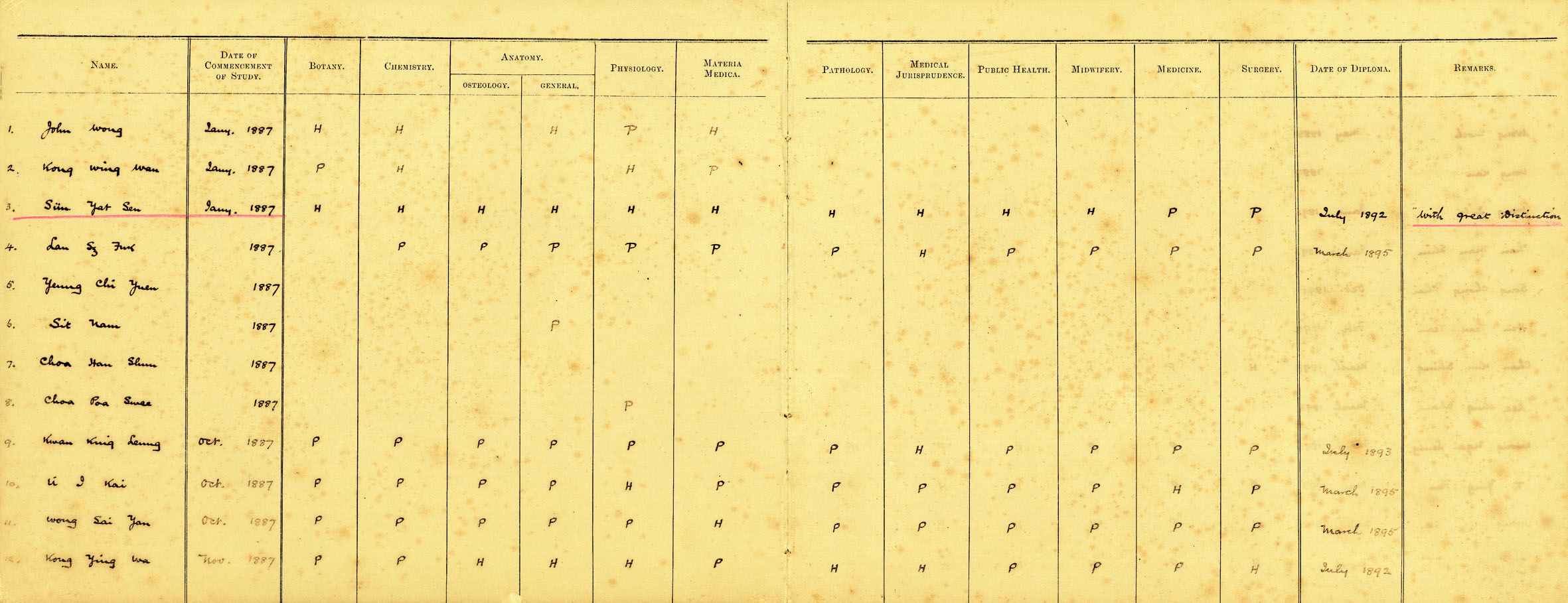
Dr Sun Yat-sen's report of graduation examination in College of Medicine for Chinese, Hongkong (Replica), 1892.
Dr Sun Yat-sen's report of graduation examination in College of Medicine for Chinese, Hongkong (Replica), 1892.

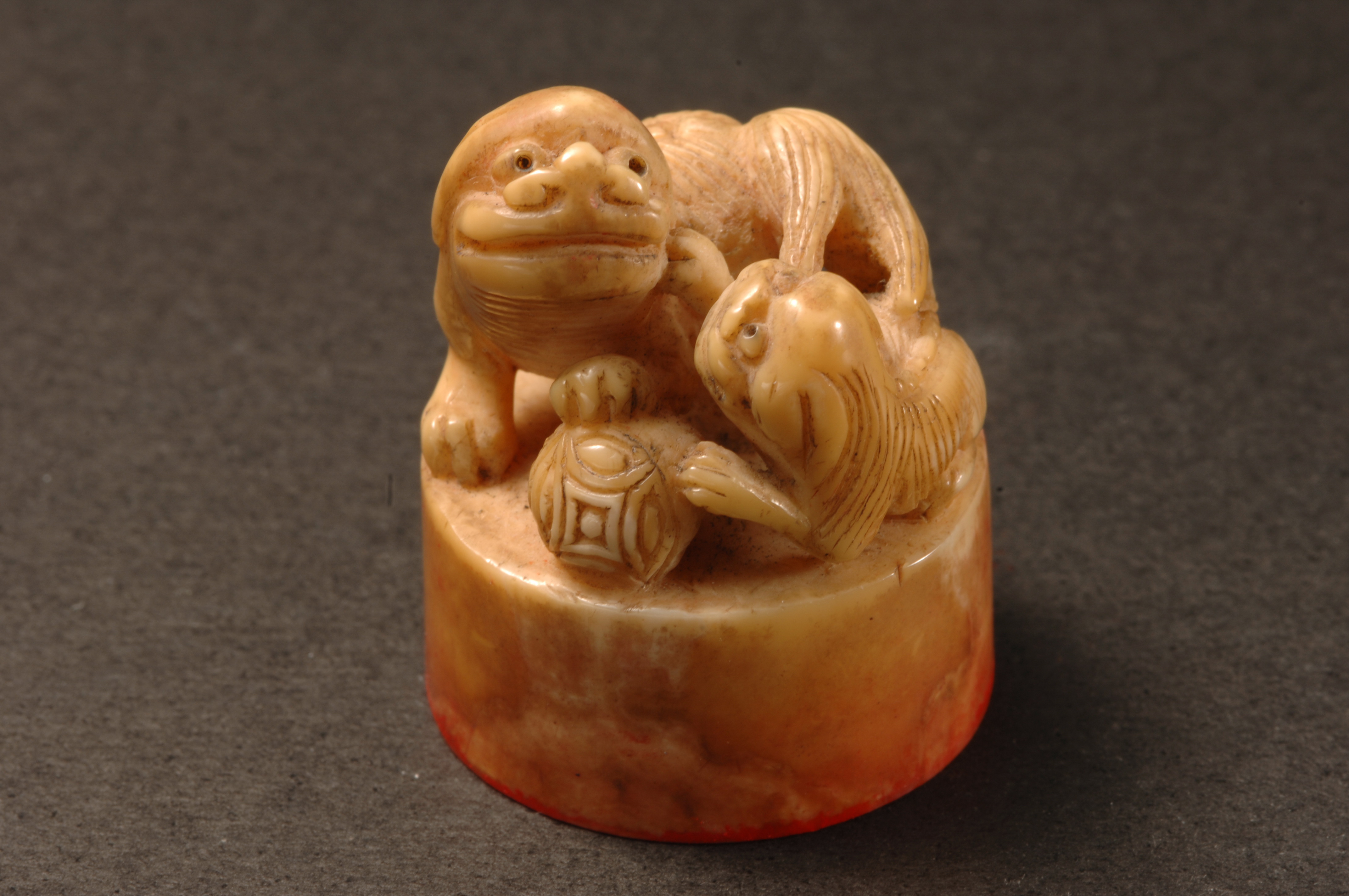
The seal of Long Live the Chung Hwa Repulic, 1901.

The seal of "Long Live the Chung Hwa Repulic", 1901.
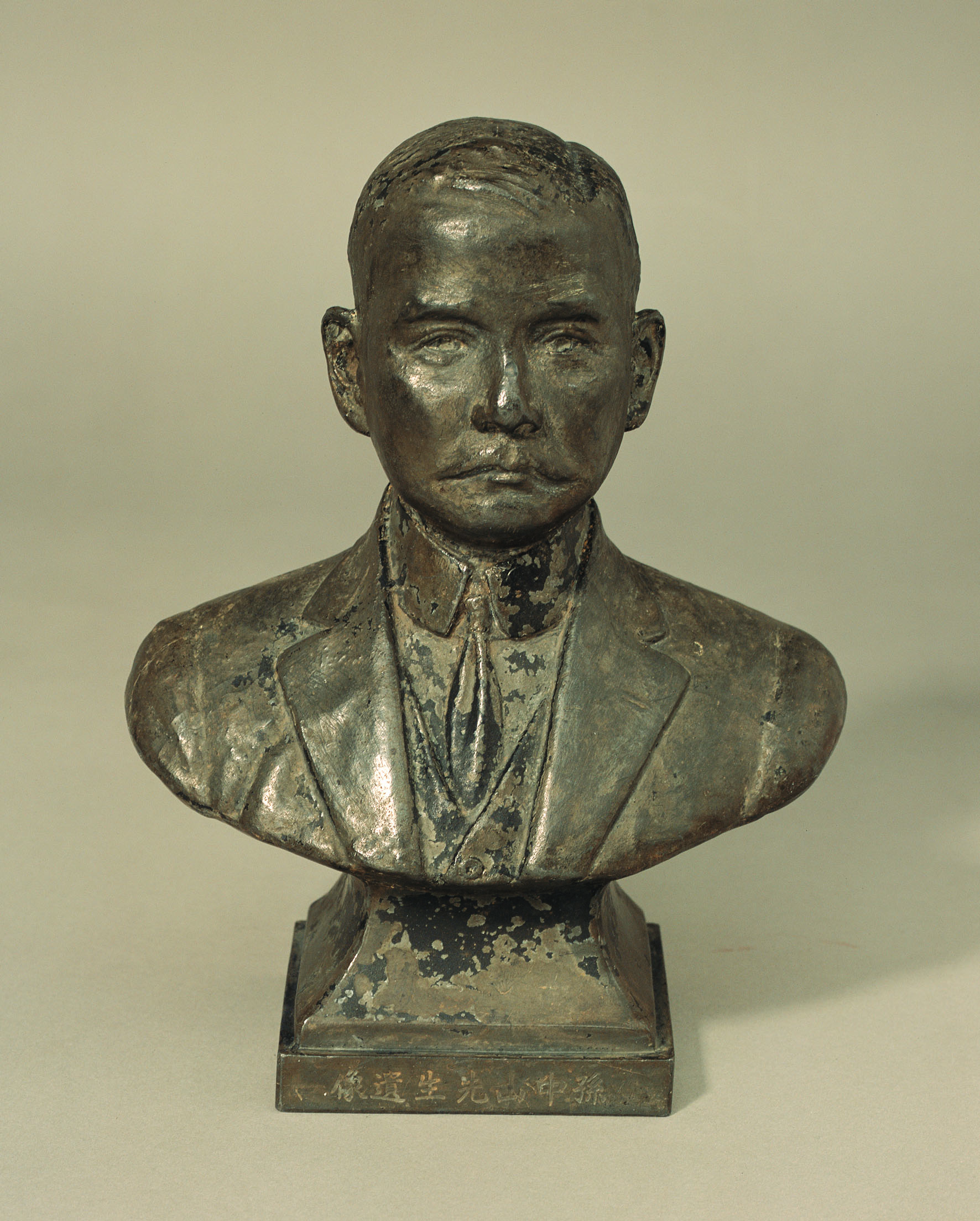
A bronze bust of Dr Sun Yat-sen made at the order of his Japanese friend Umeya Shokichi, 1929.
A bronze bust of Dr Sun Yat-sen made at the order of his Japanese friend Umeya Shokichi, 1929.


"Hong Kong in Dr Sun Yat-sen's Time" Permanent Exhibition


Some showcases are temporarily secluded during lighting improvement works. We apologise for any inconvenience caused.

Free Admission

As an important commemorative facility of Dr Sun Yat-sen in Hong Kong, the theme of this permanent exhibition is inseparable from the intimate connections between this great Chinese statesman and Hong Kong. Apart from going through Dr Sun's activities in Hong Kong, visitors will be motivated to probe into an intriguing question, that is, why and how did Hong Kong in the late nineteenth century nurture someone like Dr Sun Yat-sen who possessed such progressive revolutionary ideas.


In the late 19th century, Hong Kong distinguished herself from the Chinese Mainland in its political system, urban infrastructure and public health. Above all, it served as the crossroads for oriental and western cultures where people enjoyed more freedom of speech and publication. With the display of invaluable artefacts, this exhibition will illustrate explicitly the role of Hong Kong as a revolutionary pivot in the late Qing era.


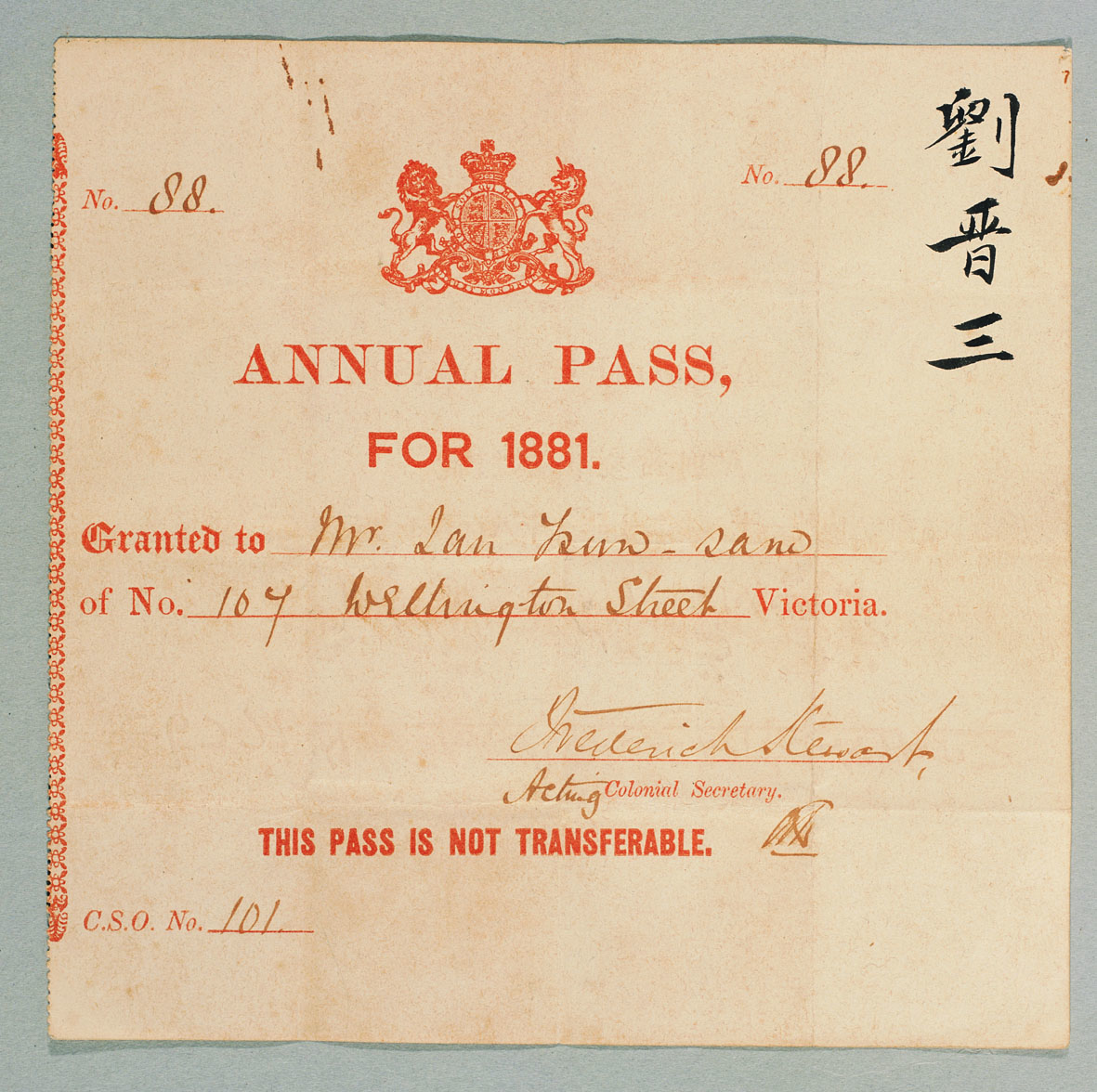
Annual pass issued by the Hong Kong government, 1881.
Annual pass issued by the Hong Kong government, 1881.

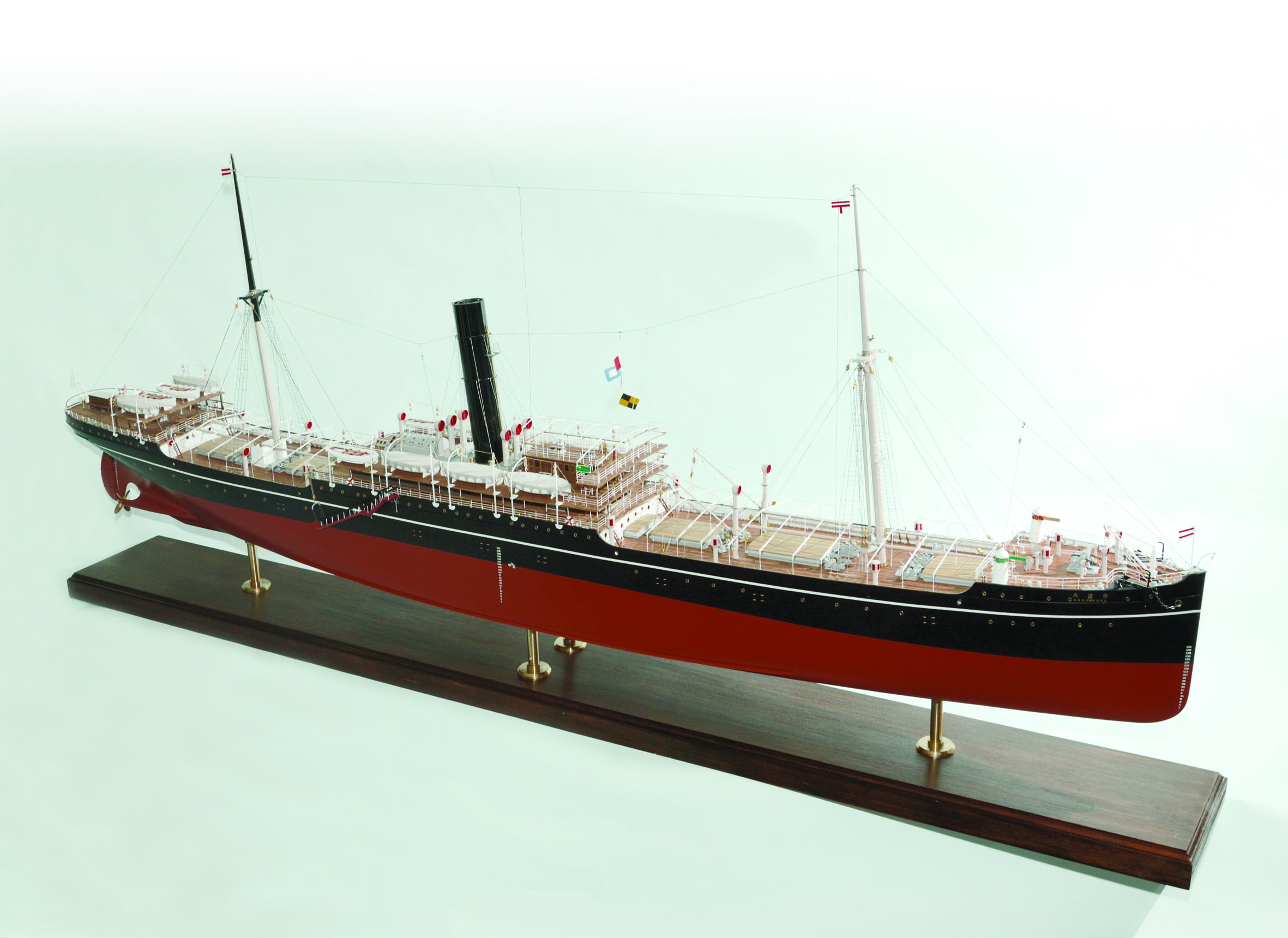
Model of Sado Maru (Scale 1:80)
Model of Sado Maru (Scale 1:80)

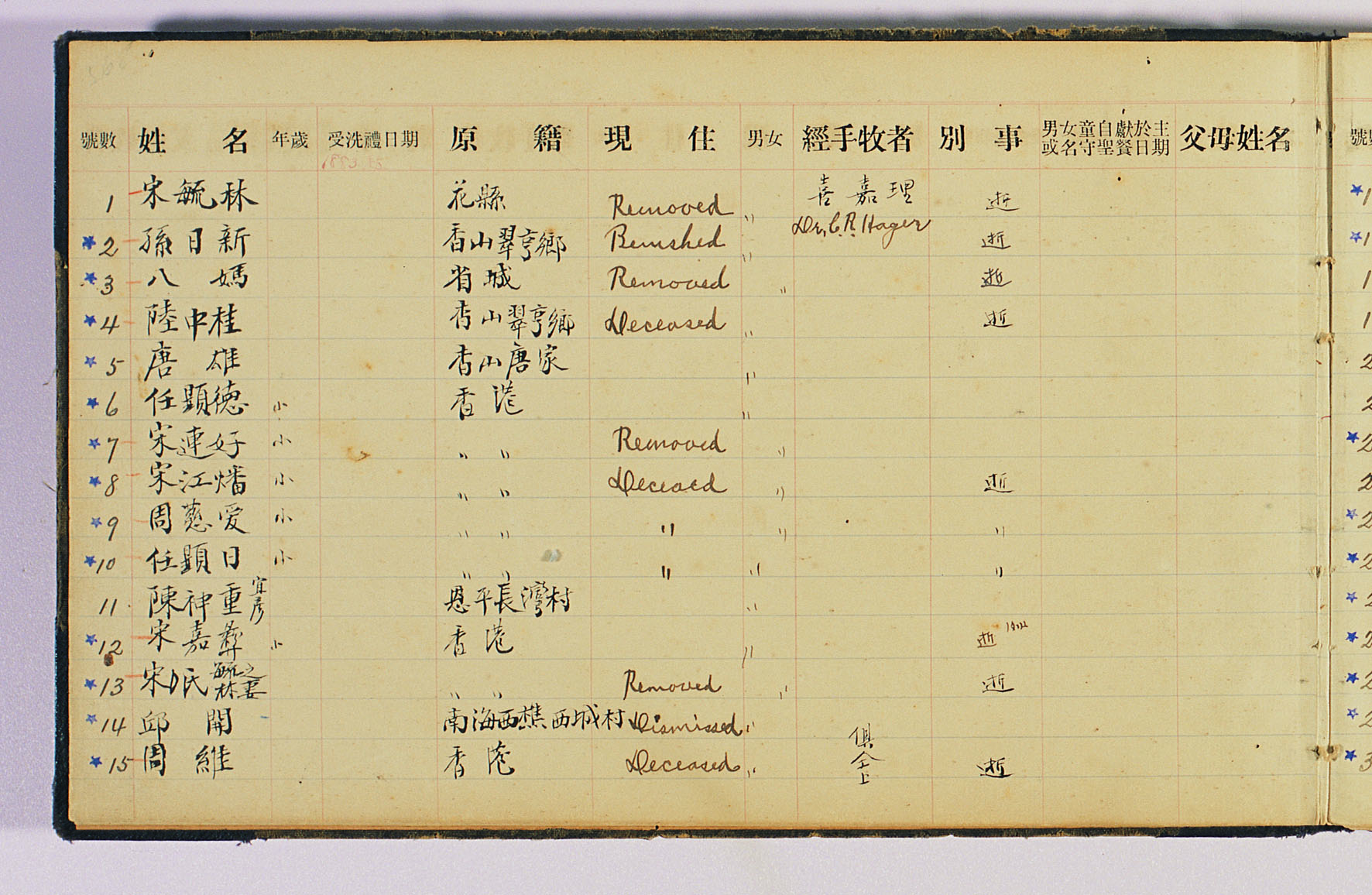
Baptism record of Dr Sun Yat-sen, 1910s.
Baptism record of Dr Sun Yat-sen, 1910s.

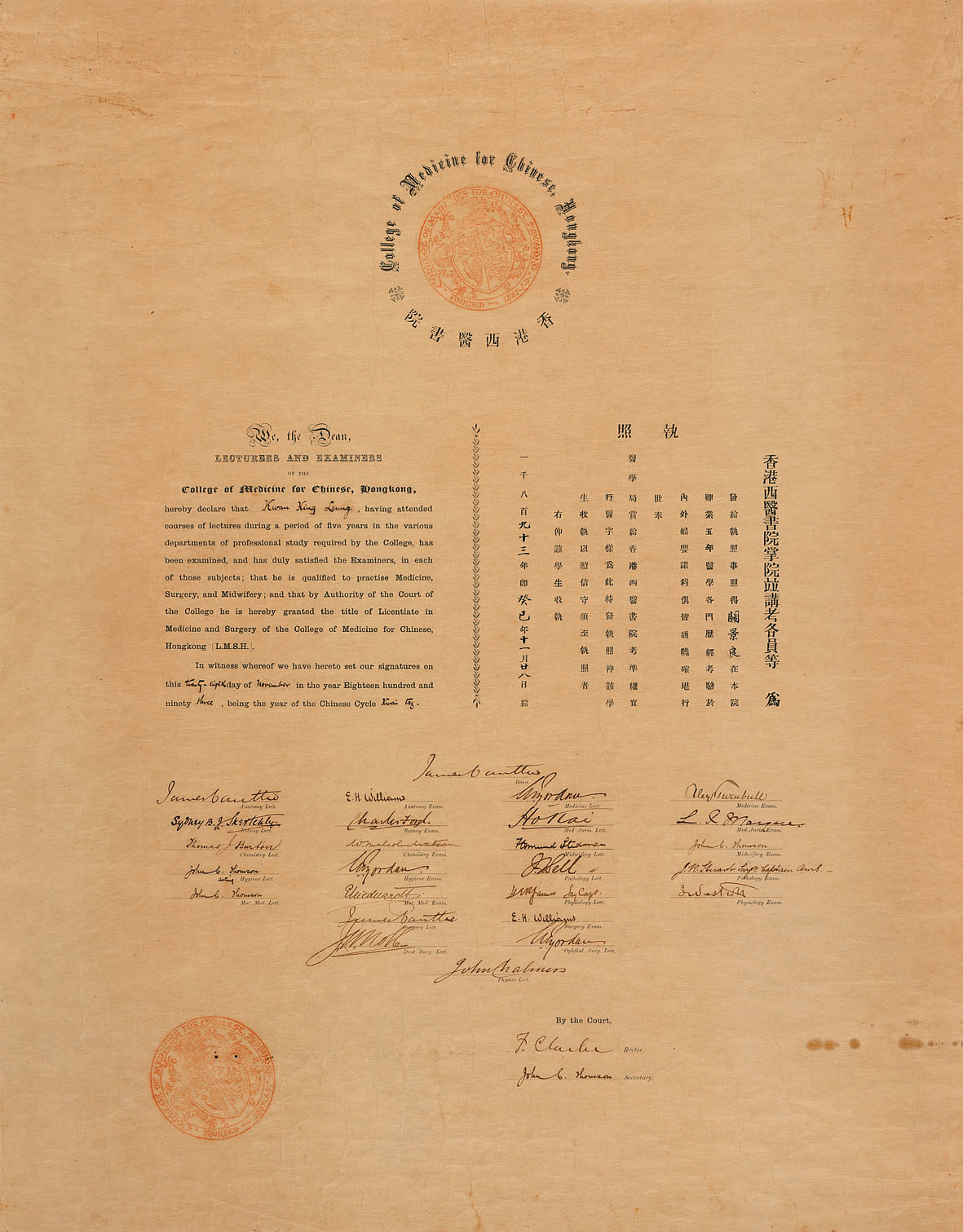
Guan Jingliang's graduation diploma from the College of Medicine for Chinese, 1893.
Guan Jingliang's graduation diploma from the College of Medicine for Chinese, 1893.

"History and Renovation of Kom Tong Hall" Permanent Exhibition


Some showcases are temporarily secluded during lighting improvement works. We apologise for any inconvenience caused.

Free Admission

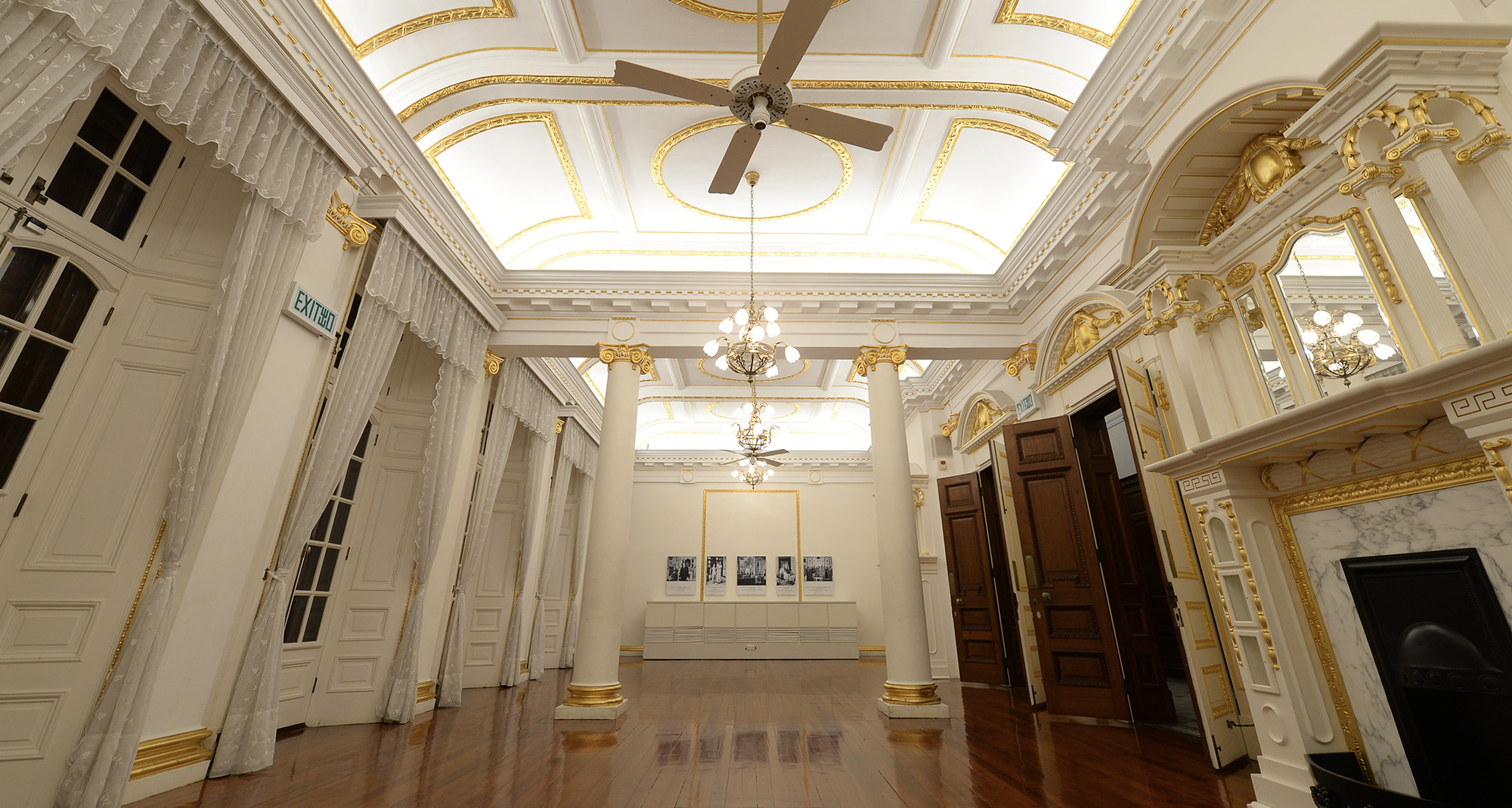
Kom Tong Hall, home to the Dr Sun Yat-sen Museum, was built in 1914 as the residence of Hong Kong businessman Ho Kom-tong (1866–1950). In 1960, it was transferred to the Church of Jesus Christ of Latter-day Saints. In 2004, the Church surrendered the premises to the HKSAR Government to convert it into the Dr Sun Yat-sen Museum. In 2010, it was declared as a monument.

This exhibition explores the life of Ho Kom-tong through precious artefacts donated by his descendants and interview clips, while also showcasing the architectural features, historical significance, and restoration process of this premises.


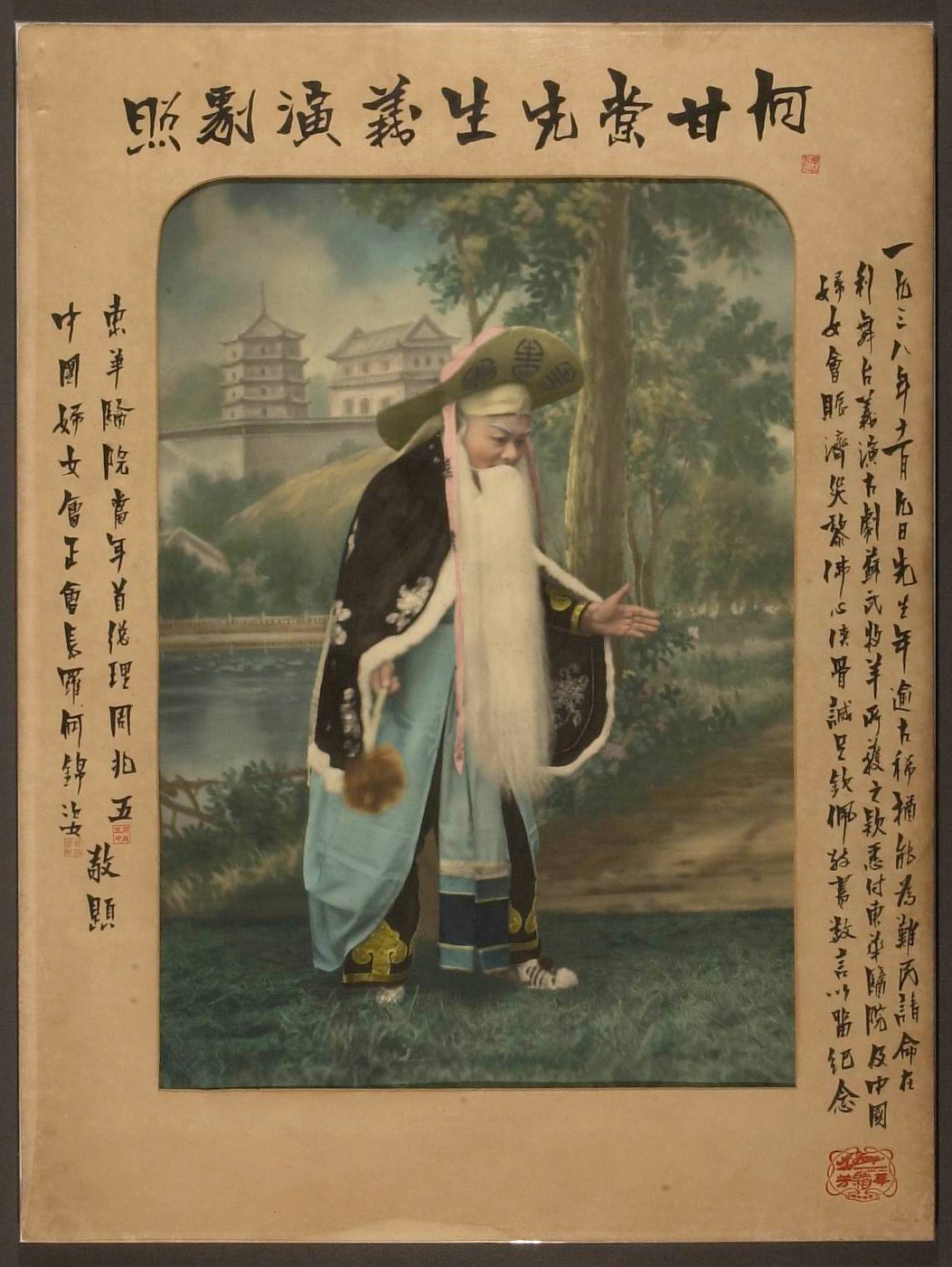
Ho Kom-tong in the Chinese opera Su Mu Tending Goats,1938.
Ho Kom-tong in the Chinese opera Su Mu Tending Goats,1938.

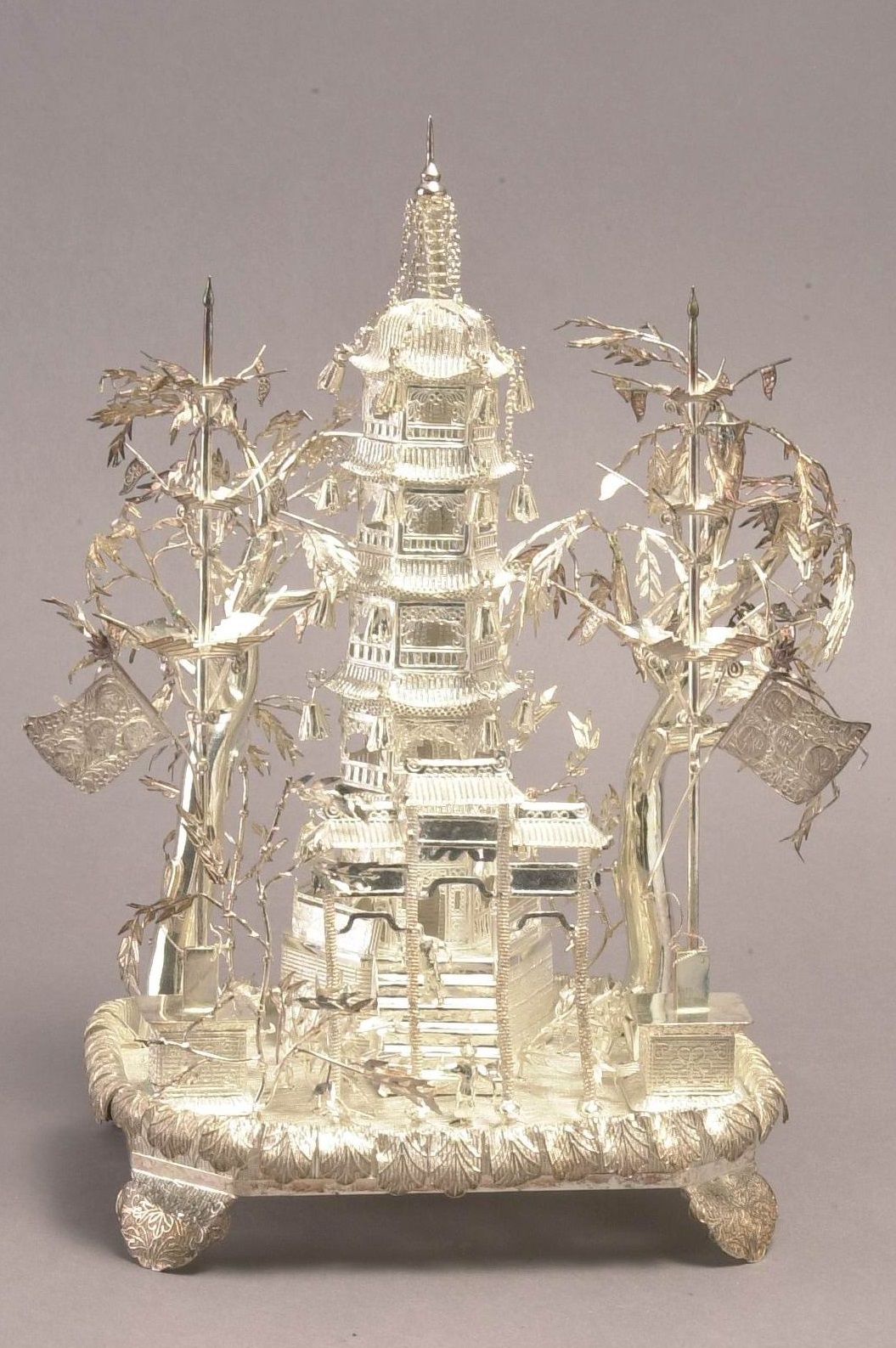
Silver ornament featuring trees and a pagoda.
Silver ornament featuring trees and a pagoda.

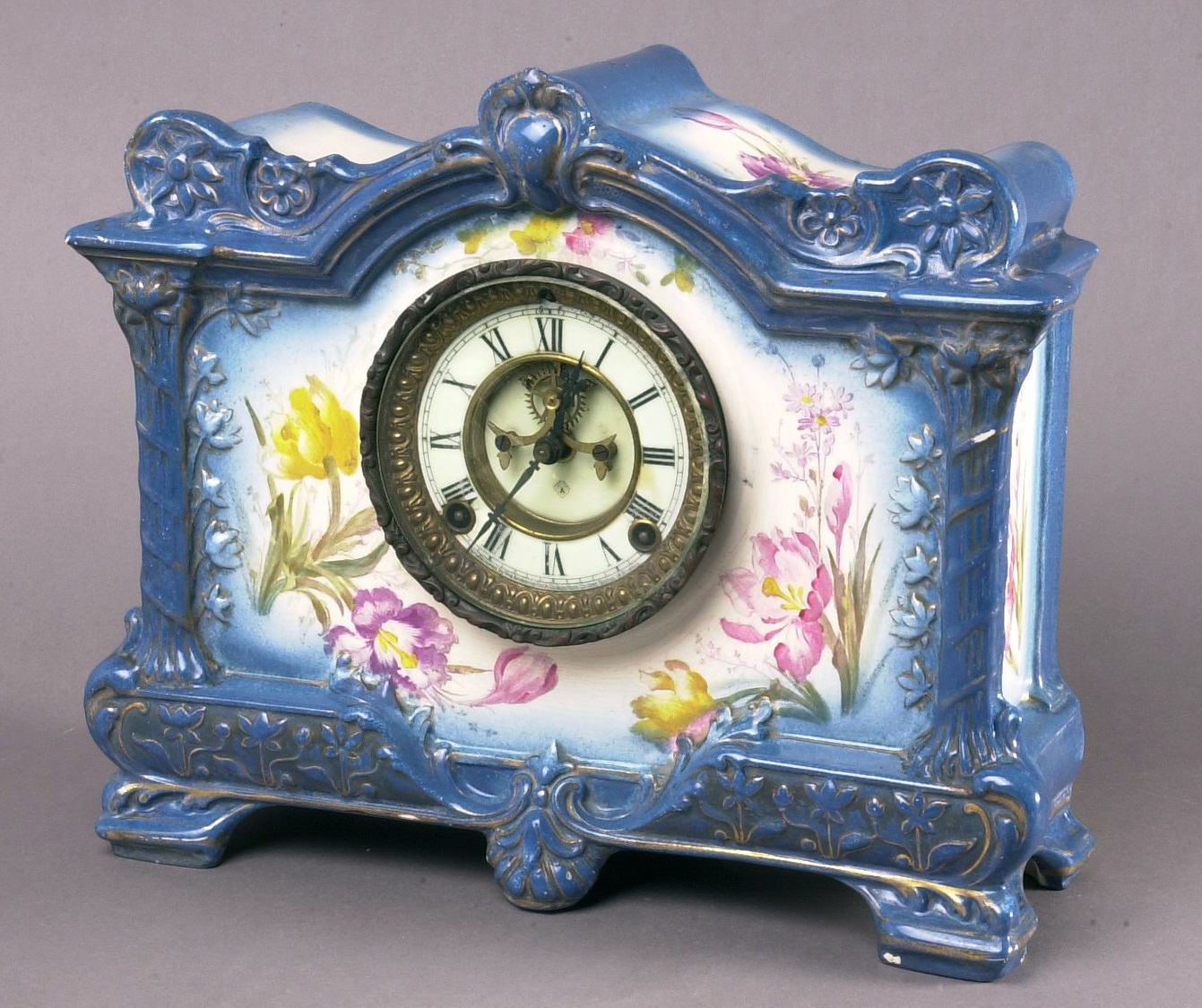
French porcelain clock.
French porcelain clock.

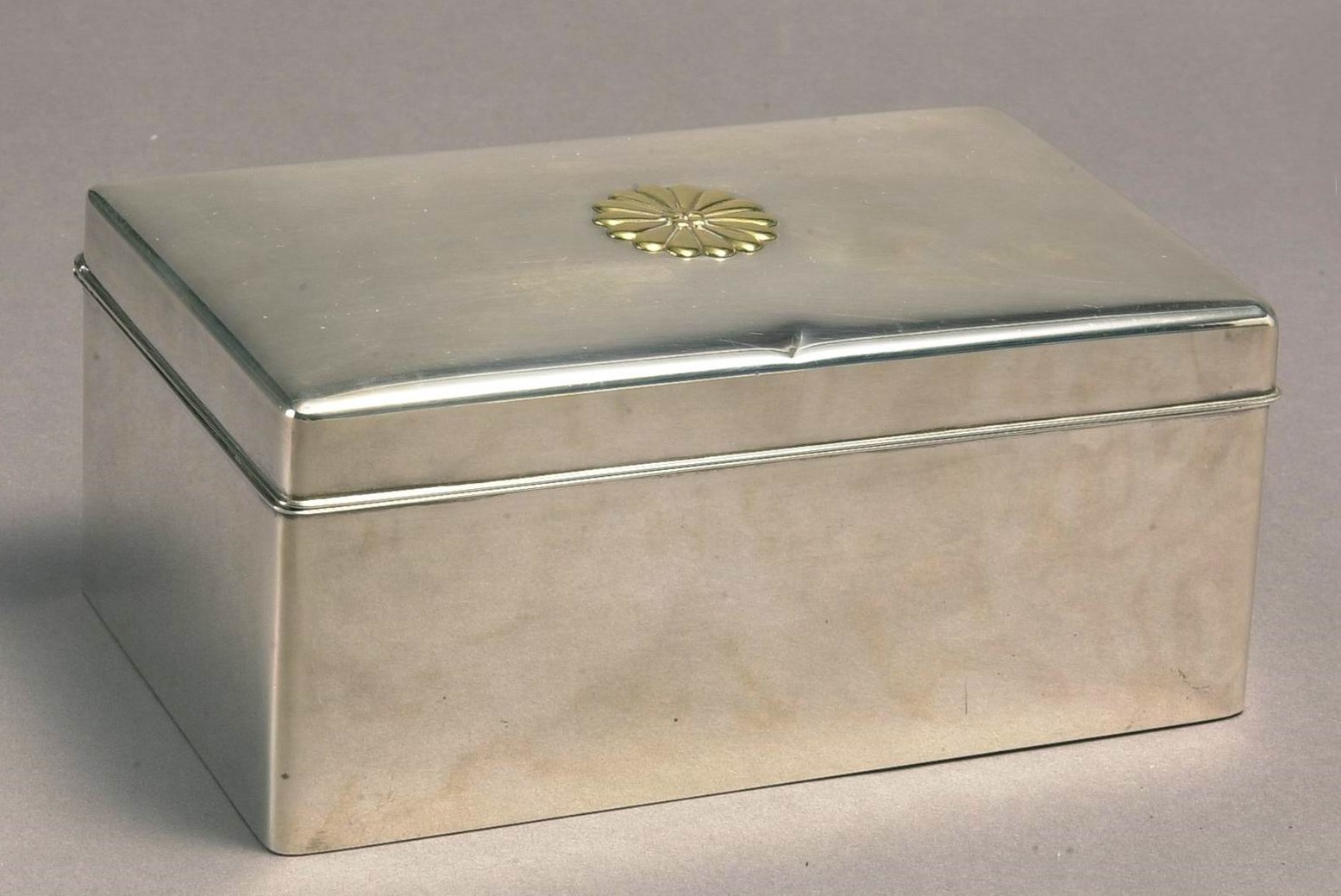
Silver tobacco box bearing the Japanese royal insignia.

Silver tobacco box bearing the Japanese royal insignia.

back to top


glass negative

Glass negative of the photograph of the ‘Four Great Desperados’, Circa 1890. Hong Kong Museum of History collection
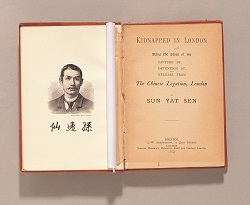
Book

The first edition of Kidnapped in London, 1897.
Donated by Mr Chan Cheong-yui.
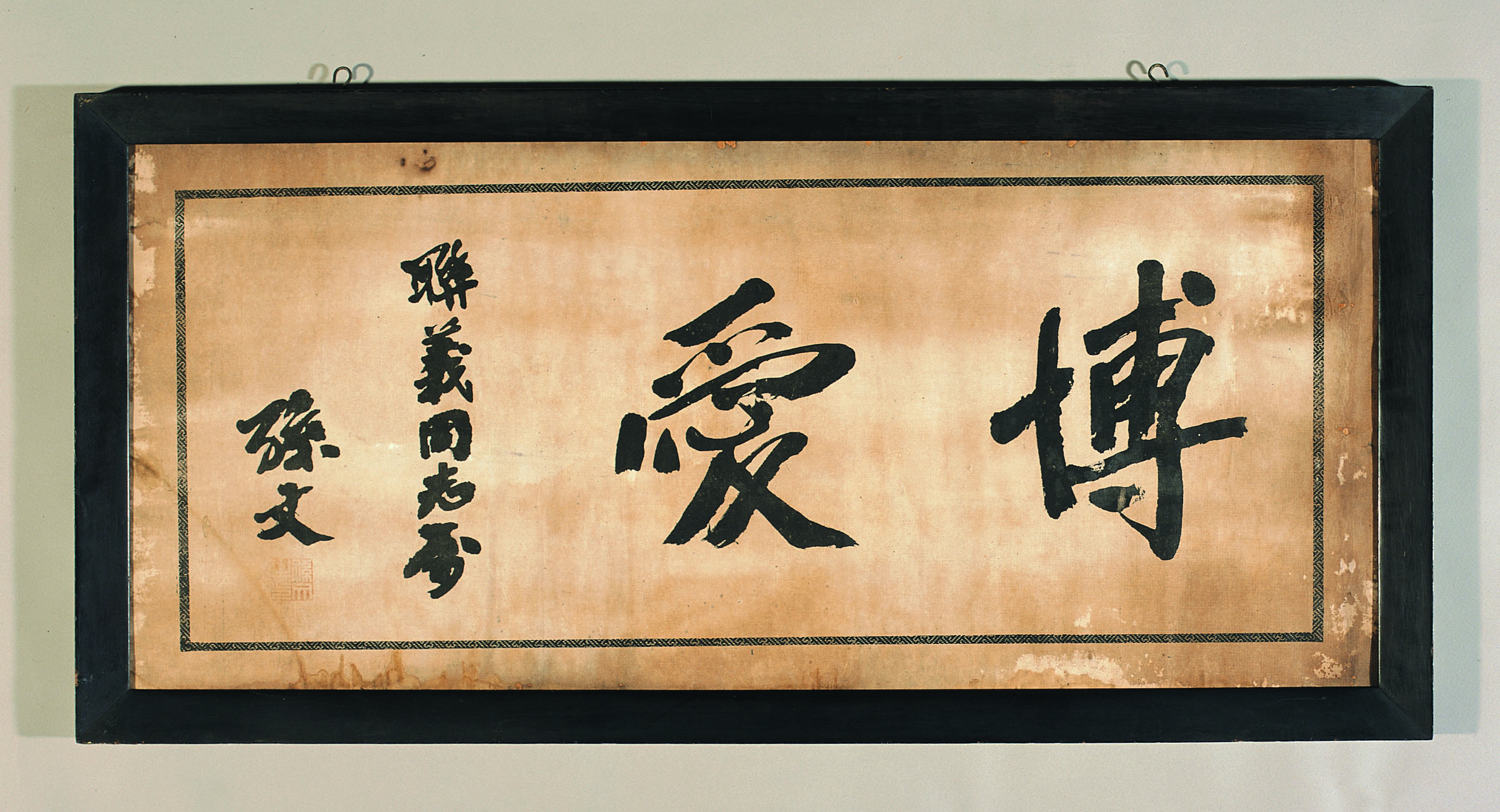
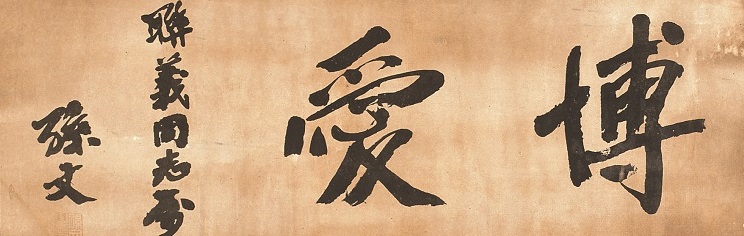
Inscription

Inscription of Bo Ai (fraternity) by Dr Sun Yat-sen, 1920.
Hong Kong Museum of History collection
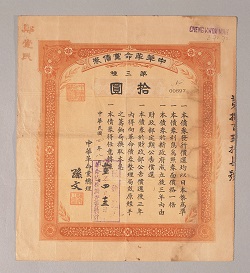
10 dollar bond

Ten-dollar bond of the Chinese Revolutionary Party, 1914.
Donated by Mr Hung Hin Chung.
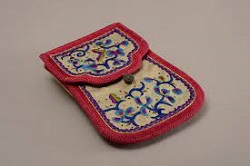
purse

Embroidered purse made by Lu Muzhen for her daughter Sun Wan, 1930s.
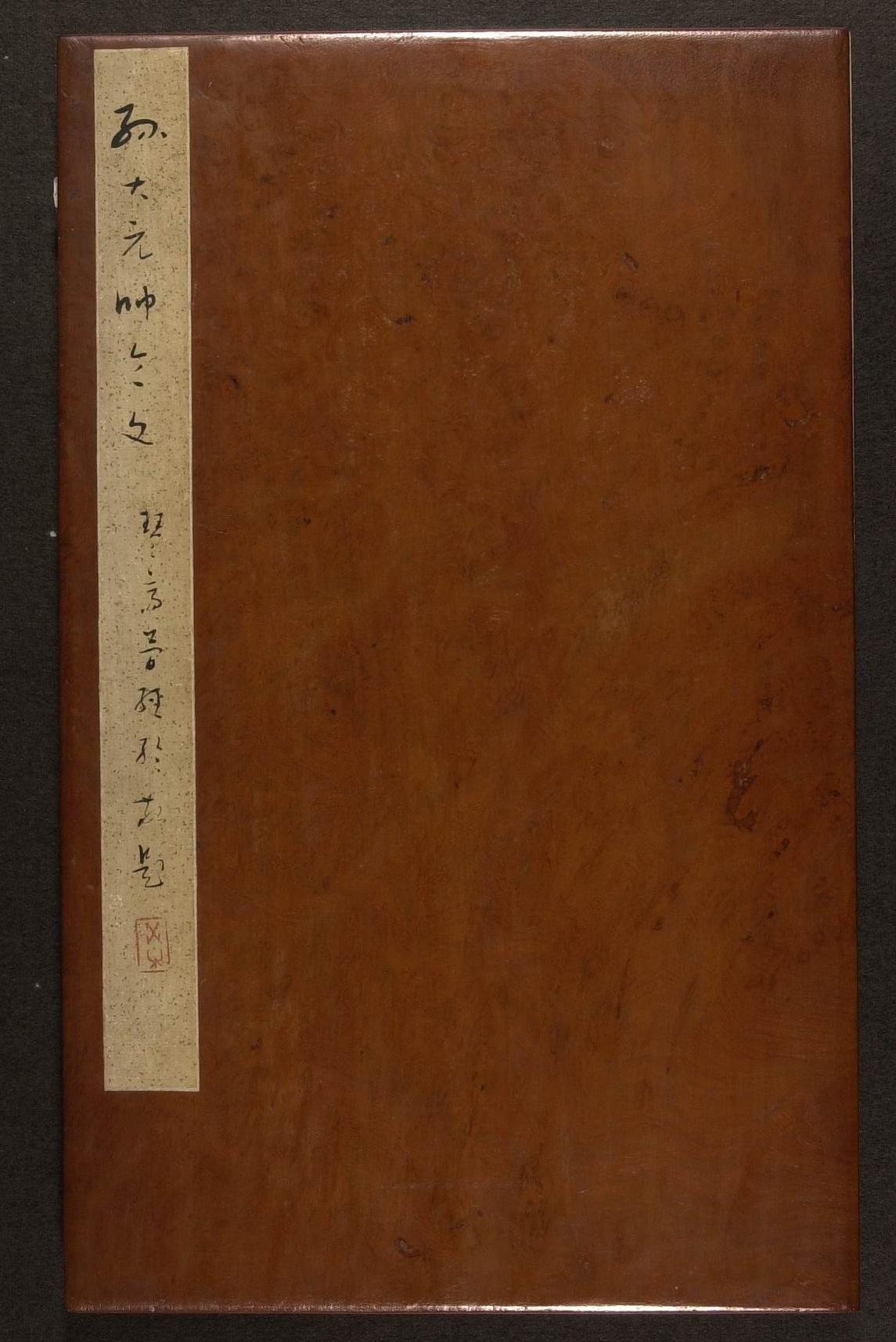
Orders

Orders issued by Dr Sun Yat-sen, 1866 to 1925.
Donated by Ms Lau Sui Peng, Maria.
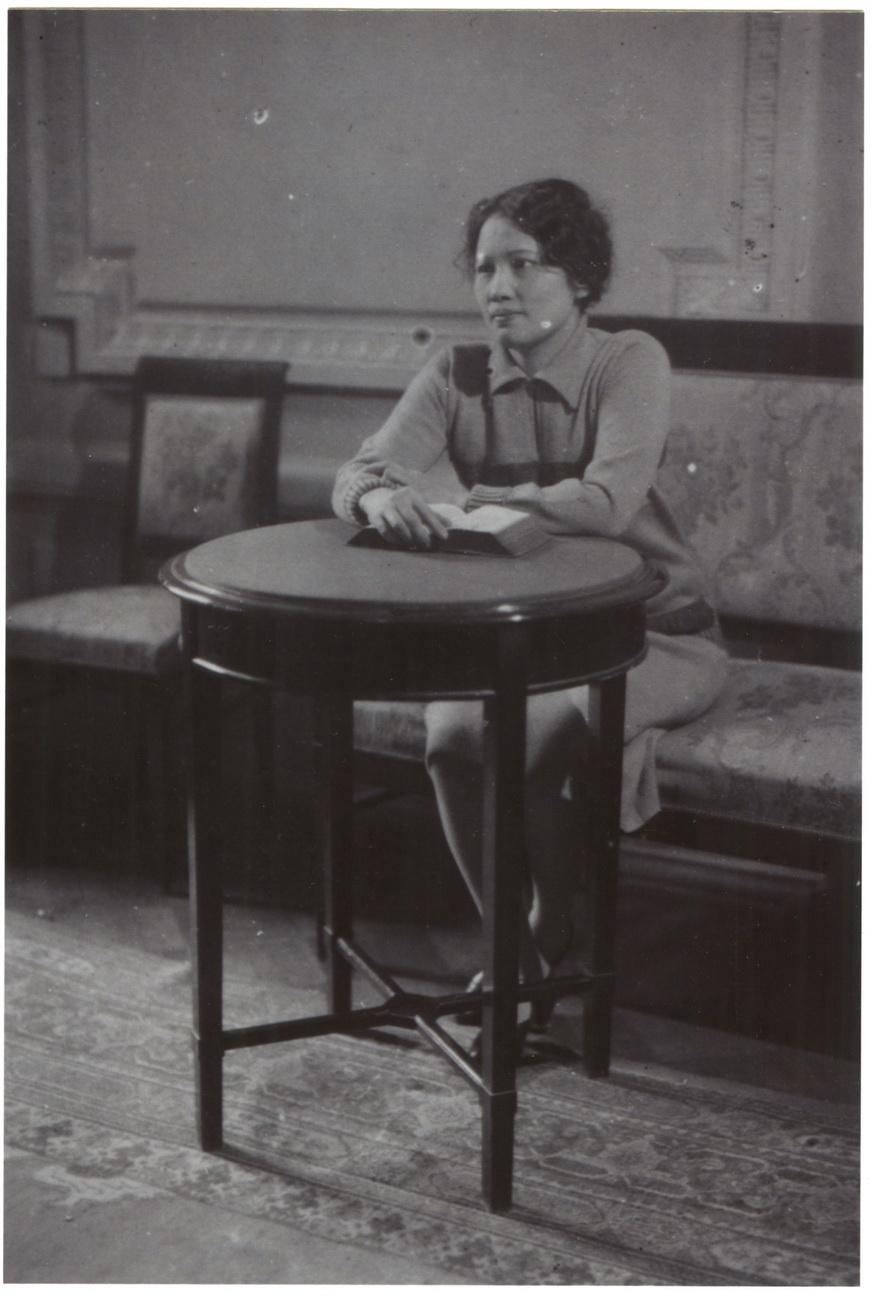
Photo of Soong Ching-ling at the Sugar Palace in Moscow, 1927. Donated by Mr Jay Chen
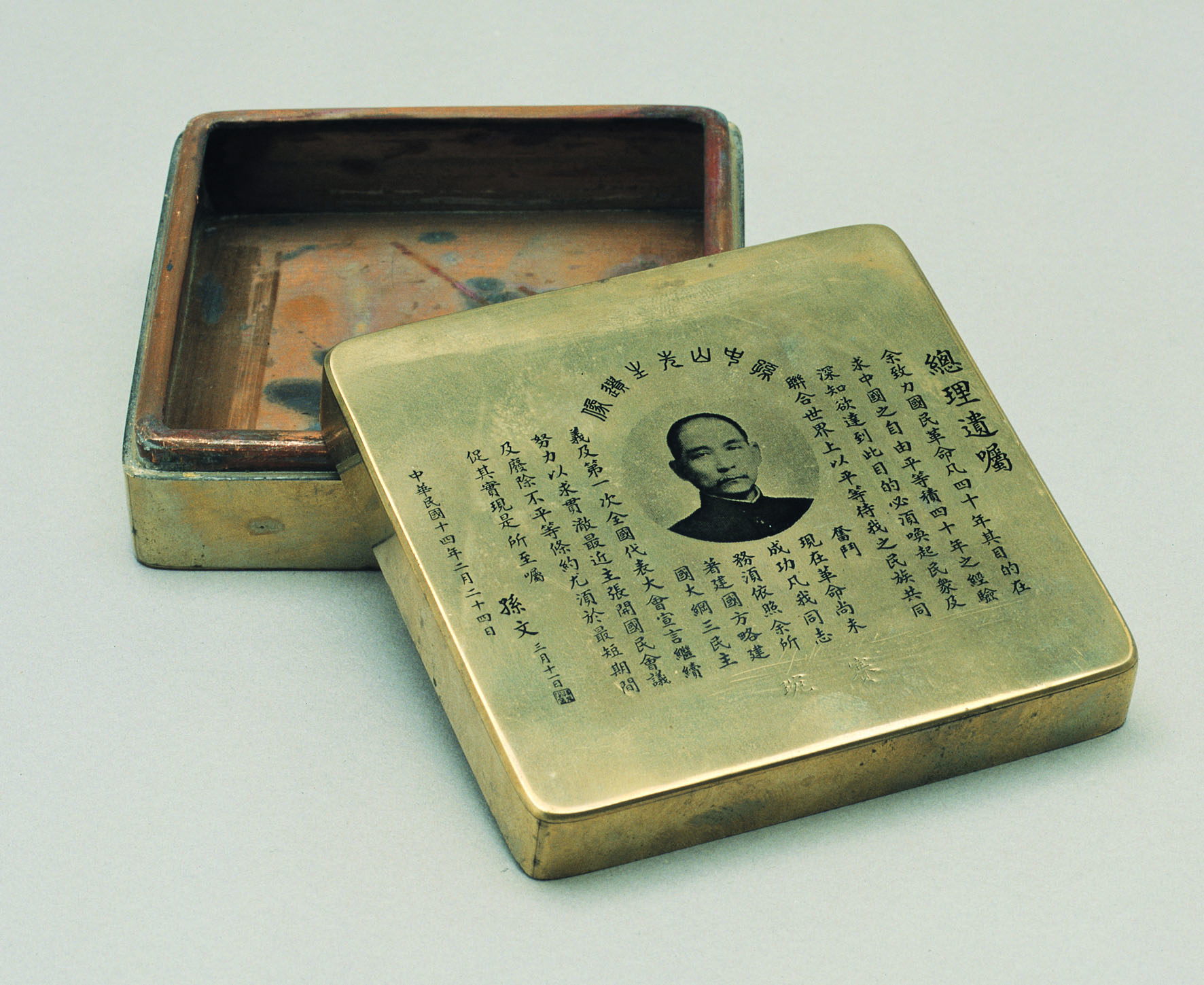
Ink Box

Ink box printed with the national testament of Dr Sun Yat-sen, 1920s.
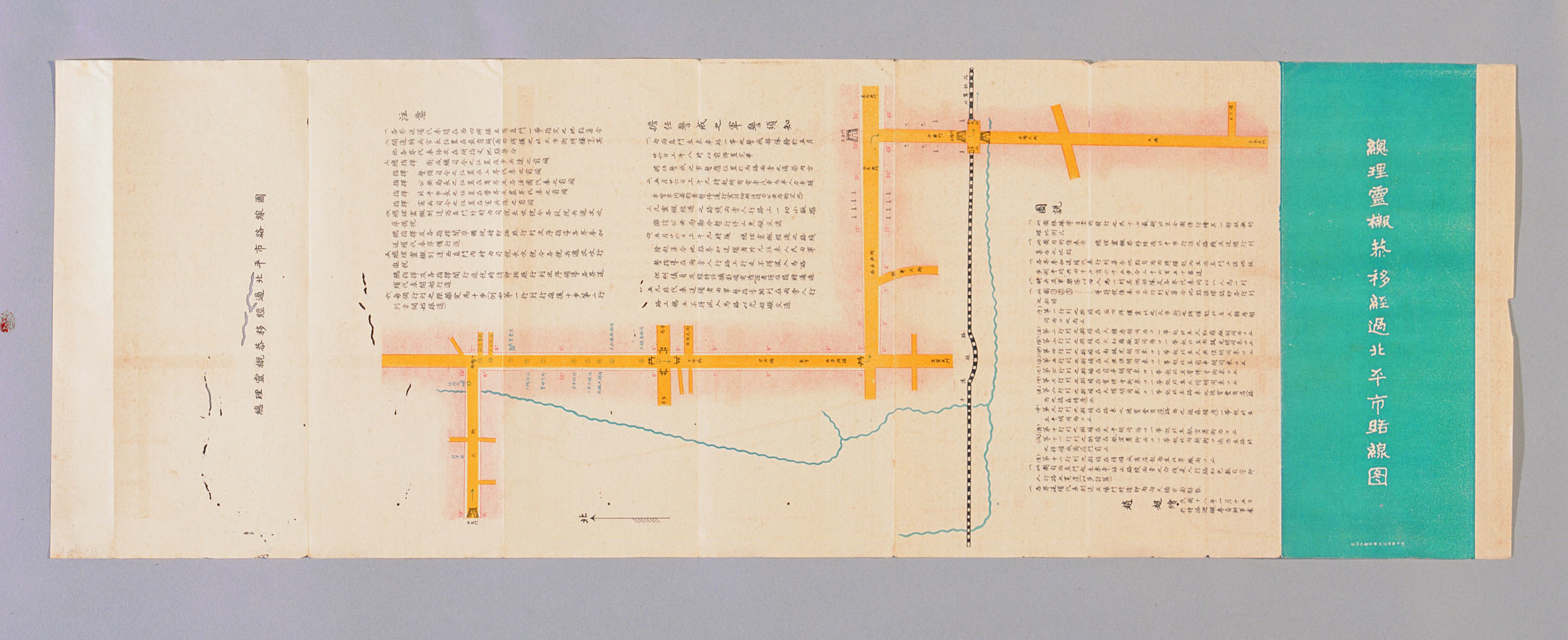
Route Map

Route map of Dr Sun Yat-sen's coffin within the precincts of Beiping city, January 1929.

layout_image


back to top

back to top